gravity, paid monthly



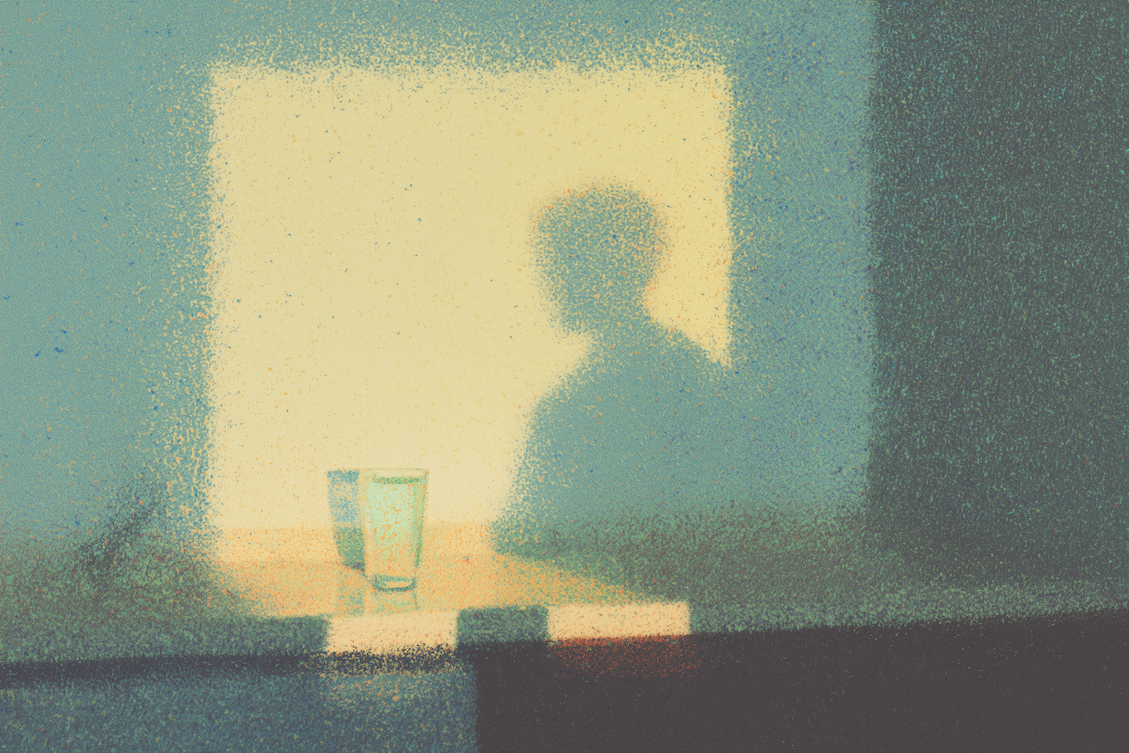
Lara didn’t wake to a sharp, artificial alarm. She woke to a drift. Her pillow hovered a few inches above her face, suspended in the thick, stagnant morning air.
A chill, sharper than any gray Rhineland winter, crawled down her spine. She reached for her phone, only to find one single, insistent notification: “GRAVITY SUBSCRIPTION EXPIRED. RENEWAL ATTEMPT: FAILED.”
In this city, the air was free—but the ground wasn’t. Staying anchored had become a luxury she could no longer afford. Ever since the Great Thinning, gravity had stopped being a constant. It was now a service, metered and priced, piped through the city’s cold spires. The ground stayed where it was—but staying on it? That came at a cost.
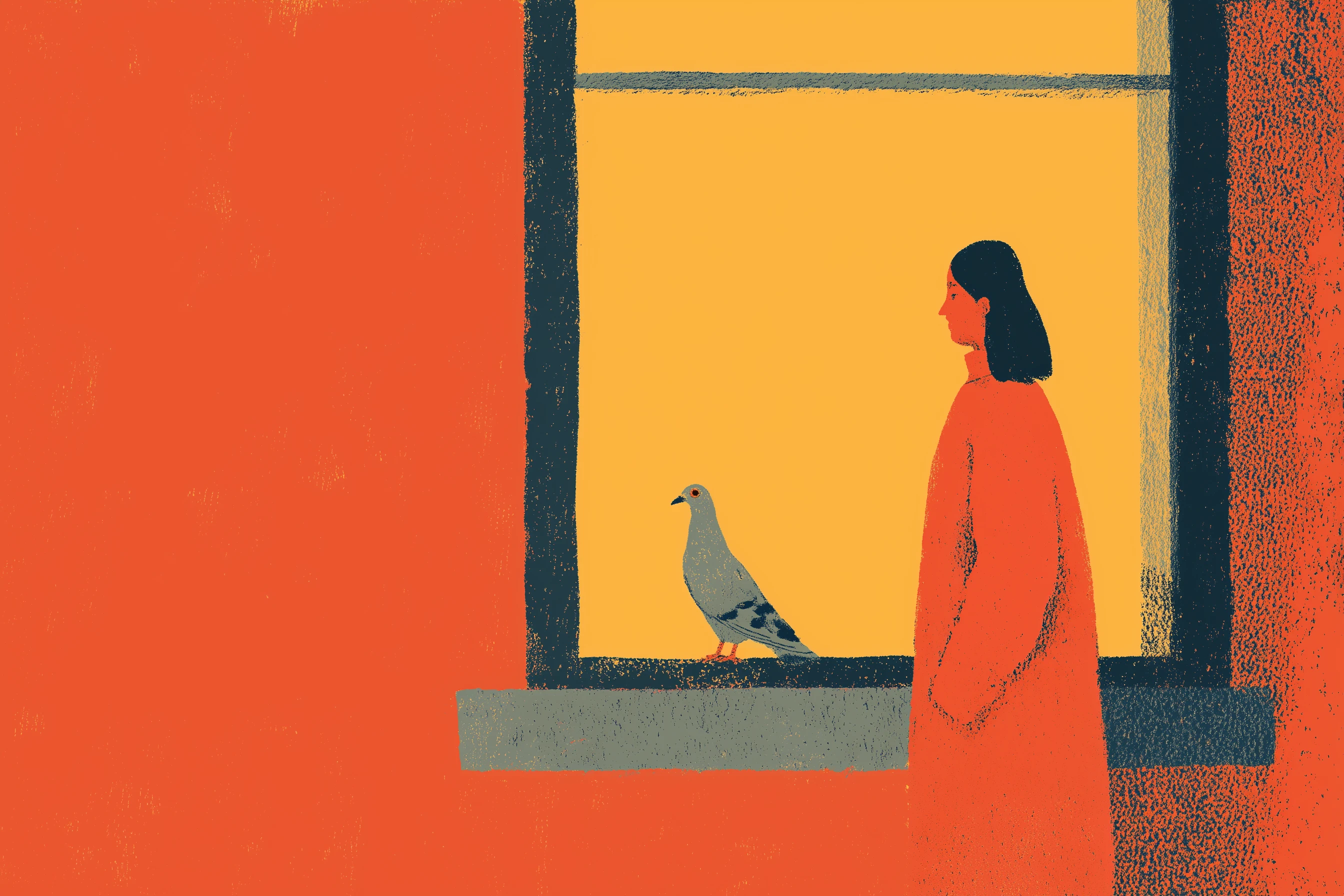
Lara grabbed the radiator, knuckles whitening with desperate effort. If she let go, she’d rise straight toward the ceiling.
Her Altbau apartment was already a chaotic graveyard of unpaid physics: a stray sneaker, a half-empty bottle of Club-Mate, and a stack of yellowing letters from the Ausländerbehörde clung to the crown molding like charged balloons.
“Not today,” she whispered. As an Ausländer, she knew this could be it. Her last chance. Today she had an interview for a working student position—the kind that could decide whether she stayed grounded or drifted off into the gray nothingness above Berlin.
She tied herself to the heavy oak kitchen table with a bathrobe belt and forced her feet into the boots. Months ago, she had sewn lead weights into the soles—a survival trick shared by those from elsewhere. It was clumsy, uncomfortable, but it worked. It kept her heels scraping the floorboards. It kept her tethered, even if only barely. It wasn’t elegant. It wasn’t even safe.
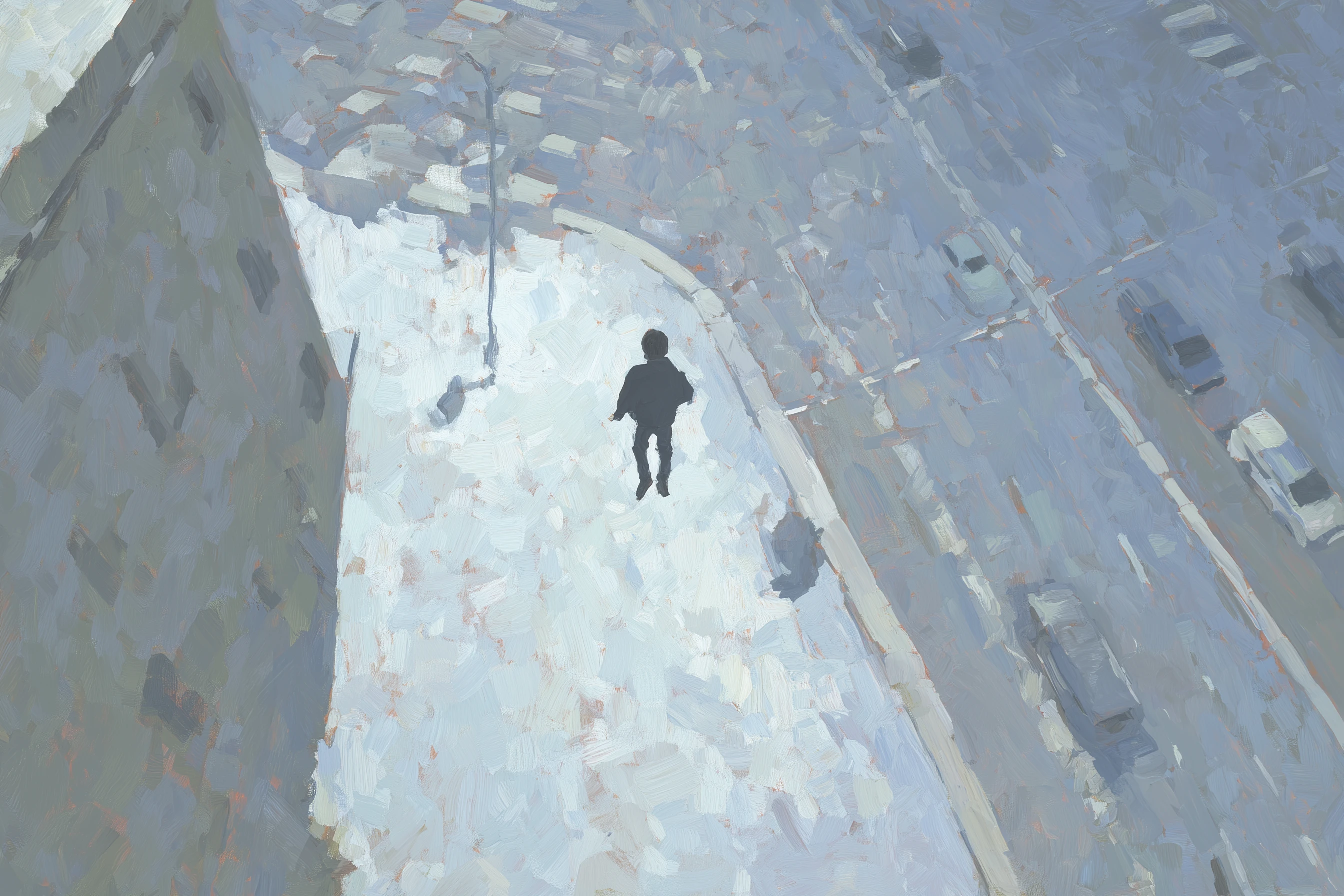
Stepping outside felt like entering a different world. The sidewalk was a battlefield of invisible laws. The wealthy locals strolled with measured, solid steps, their bank accounts holding them at a comfortable 9.8 m/s².
Meanwhile, the drifters—the students, the dreamers, the outsiders—clutched lampposts and railings with tense determination. Lara watched an old woman rooted to the pavement by centuries of lineage, while a young man a few blocks away slowly slid from a brick wall, his fingers trembling as they let go.
High above the U-Bahn tracks, colorful coats drifted aimlessly. They were the ones who had run out of money, or hope, or both—waiting for the Sky-Sweepers to scoop them up like stray animals.
Lara moved like a diver in slow water, leaping from one iron fence to the next. The TV Tower rose through the haze, a silver finger demanding obedience from the clouds. As she neared the office, her boots felt frighteningly light.
The Drift-Detectors on the corner vibrated—a low mechanical hum that sensed bodies no longer bound to the soil.
“Identification and Grav-Receipts!” a voice thundered. A robotic enforcer, stabilized by a massive gyroscope, blocked her path. Its head tilted slightly, as if listening to something beyond human perception.
A thin beam of light scanned her, pausing at chest, throat, and face. Calculating. Verifying. Momentarily silent.
She reached for her pocket, but the sudden shift broke her fragile grip on reality. Her weighted soles lost traction. The world tilted. The open sky tugged at her, relentless and vertical.
“Wait!” she gasped, her voice thin as she began to rise.
Looking down, she saw the crowd below. Their feet were planted so firmly they seemed to grow from the concrete itself. It struck her suddenly: this tax wasn’t about money—it was about the physics of belonging.
The locals had deep, generational roots, anchored by a thousand years of stone and blood. They were born heavy.
She was an outsider—a bubble of foreign memories and temporary permits, lighter than air. The city didn’t hate her; it simply didn’t weigh her enough to keep her. To be a stranger here was to float perpetually, held only by fragile ink on paper.
The Sky-Sweepers’ nets finally cast checkered shadows over her. Lara stopped fighting. She looked down one last time, seeing the locals not as people, but as monuments—heavy, immovable, effortlessly supported by the invisible weight of their ancestors.
She hadn’t run out of credits alone; she had run out of the illusion that she could ever be heavy enough to stay. She let go of the last railing, her fingers relaxing as the upward pull claimed her. For the first time since moving here, there was no resistance.
She floated toward the clouds, leaving the pavement behind.
She looked at the stars, wondering if somewhere the ground didn’t decide who deserved to stay—if you could be light, and still be home.